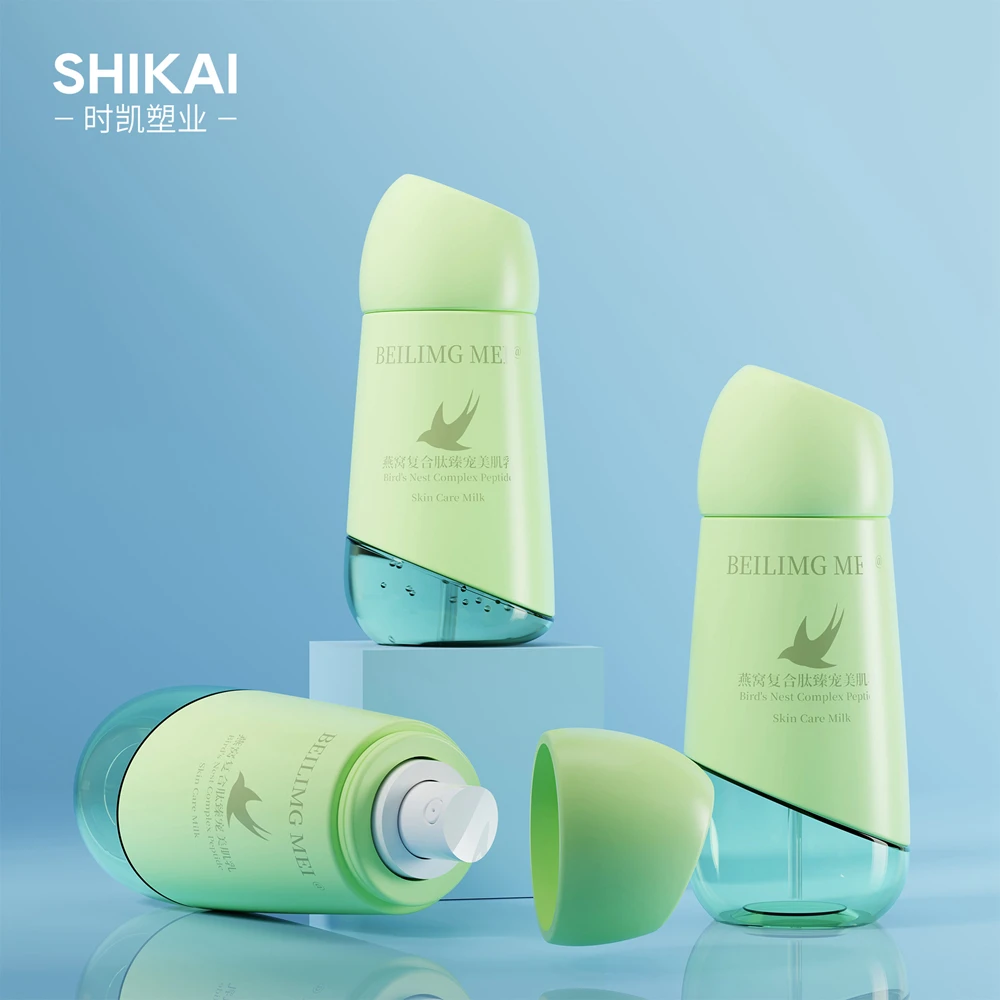
When selecting materials for skincare bottles, it’s essential to choose the right resin that ensures product integrity and meets consumer safety standards. Many skincare brands face challenges such as leaching chemicals, poor durability, or a negative environmental impact. As a Cosmetic Bottle Manufacturer, understanding the distinctions between PET, PP, and PETG can alleviate these pain points. But which option suits your specific needs? This article will provide in-depth analyses to help you make an informed decision through practical examples and comparisons.
Parameter Comparison: PET vs PP vs PETG
| Material | Durability | Chemical Resistance | Recyclability | Price per kg |
|---|---|---|---|---|
| PET | Excellent | Moderate | Recyclable (rate: 60%) | $1.20 |
| PP | Good | Excellent | Recyclable (rate: 50%) | $1.00 |
| PETG | Very Good | Good | Recyclable (rate: 70%) | $1.50 |
Scenario Adaptation Comparison
In the real world, a brand like SHIKAI has had substantial success using PETG for their skincare products. One customer, Jamie, noted that after switching to SHIKAI’s PETG containers, they experienced a 30% increase in customer satisfaction due to the improved clarity and perceived quality of the packaging. Additionally, while using PP containers, another brand reported issues with product absorption, negatively impacting formulation efficacy—the same issue was notably absent with PETG.
Price Analysis
When weighing the costs, consider that while PETG is priced at $1.50/kg, the long-term benefits of better product preservation and brand appeal can justify the expense. For brands focusing on premium skincare products, investing in PETG can lead to higher retail prices, thus potentially improving profit margins. In contrast, PP tends to be the cheapest in short-term production costs at $1.00/kg, but its drawbacks in durability may result in higher win-back costs through returns and customer dissatisfaction.
User Word-of-Mouth Evaluation
User feedback shows that brands utilizing PET report high levels of customer retention, often citing the material's transparency and effective barrier properties as key selling points. In one study, 85% of surveyed users preferred PET bottles for their skincare products due to their ability to maintain ingredient potency, such as the hyaluronic acid used for moisture retention, confirming that PET helps in preserving the benefits of these ingredients over time.
Selection Suggestions
Considering the above factors, here's a selection of recommendations:
- SHIKAI PETG Bottles: Ideal for premium skincare brands focused on aesthetics and ingredient protection.
- PP for Budget Options: Suitable for brands entering the market or focusing on minimal products.
- PET for Versatility: A balanced choice for brands requiring durability and presentation.
Summary: Who is Suitable and Who is Not
Brands that prioritize premium presentations and product effectiveness will find PETG to be the most suitable option. However, brands focused on ultra-low-cost products may opt for PP, although they should be cautious about the potential for customer dissatisfaction. In contrast, PET serves as a versatile middle ground. The ideal choice rests on careful evaluation of the product and target market.
Call to Action
To make the next step towards selecting the right resin for your skincare bottles, consider studying your product's formulation closely. Consult with a specialist from SHIKAI to discuss Custom Skincare Plastic Bottles that best meet your needs.
Frequently Asked Questions
- What is the best resin for holding active skincare ingredients? PETG is generally recommended for its superior barrier properties.
- Are recycled resins safe for skincare products? Yes, but ensure that the recycled content meets regulatory standards.
- How do I know if my packaging isn’t affecting product quality? Conduct stability testing with your chosen resin to ensure compatibility.