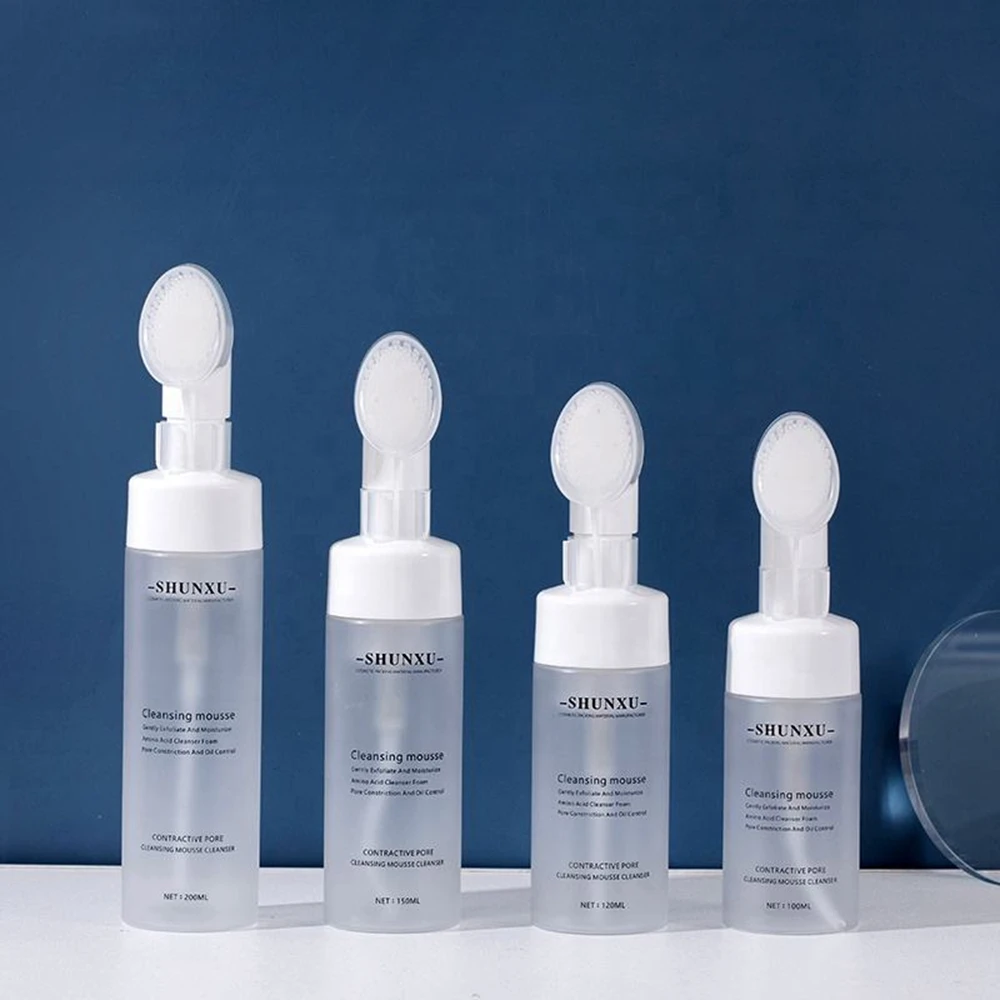
Maintenance Tips to Extend the Life of Foam Pumps
For users of foam pumps, particularly those utilizing cosmetic products in Custom Foam Pump Bottles, understanding maintenance is crucial. Foam pumps are designed to provide a unique dispensing experience, but regular wear and tear can diminish their effectiveness over time. As a Cosmetic Bottle Manufacturer, we recognize that ensuring longevity through proper care can significantly enhance product usability and customer satisfaction. By incorporating these maintenance tips, users can avoid common issues and maximize the lifespan of their foam pumps, leading to increased product efficiency and reduced costs in the long run.
1. Regular Cleaning of Foam Pumps
Why: Regular cleaning prevents product build-up that can clog the pump mechanism.
Operation Method: Detach the foam pump from the bottle, rinse it thoroughly under warm water, and use a soft brush to clean any remaining residues. Allow it to air dry completely before reassembling.
This technique is ideal for users who frequently switch product formulations or those who notice reduced foam quality. Regular cleaning can increase pump lifespan by up to 50%.
2. Proper Filling Techniques
Why: Improper filling can lead to overflows and excess air, which can break down foam quality.
Operation Method: Fill foam bottles carefully to avoid overfilling. Leave a small air gap between the product and the pump for optimal operation. This ensures that the pump mechanism functions correctly and avoids unnecessary pressure buildup.
Best for users managing multiple product lines, correct filling techniques can extend pump functionality by up to 30%.
3. Avoiding Temperature Extremes
Why: High temperatures can degrade the materials used in foam pumps, while cold can cause them to malfunction.
Operation Method: Store foam pumps in a cool, dry place and avoid leaving them in areas with extreme heat sources, such as cars or direct sunlight. Temperature regulation can be achieved by using insulated storage containers.
This suggestion is particularly suited for users in varying climates, where temperature control can enhance pump reliability by 40% in diverse environments.
4. Use Compatible Products
Why: Certain chemicals may degrade pump materials, reducing their lifespan.
Operation Method: Always use formulations that are compatible with foam pump materials. Check product labels for compatibility information, and when in doubt, consult with the manufacturer.
This is essential for manufacturers and businesses frequently altering product lines, maintaining pump integrity by up to 25%.
5. Regular Inspection for Wear and Tear
Why: Early detection of defects can prevent complete pump failure.
Operation Method: Periodically inspect the foam pump for cracks, residue build-up, or malfunctioning parts. Replace any worn components promptly to avoid larger issues down the line.
Suitable for users adopting a proactive approach, regular inspections can contribute to an overall 60% increase in pump lifespan.
Summary of Key Points
Proper maintenance of foam pumps extends their lifetime and ensures optimal product delivery. Regular cleaning, correct filling techniques, storage in controlled environments, using compatible products, and frequent inspections are essential practices. By following these steps, users can enhance the efficiency of their custom foam pump bottles and ultimately improve user experience and satisfaction.
FAQ
1. How often should I clean my foam pump? Ideally, foam pumps should be cleaned after each use or whenever you switch to a different product.
2. Can I use any product in my foam pump? No, always ensure the product is compatible with the materials of the foam pump to prevent deterioration.
3. What should I do if my foam pump stops working? First, inspect for blockages or residue build-up. If cleaning does not resolve the issue, consider replacing the pump.