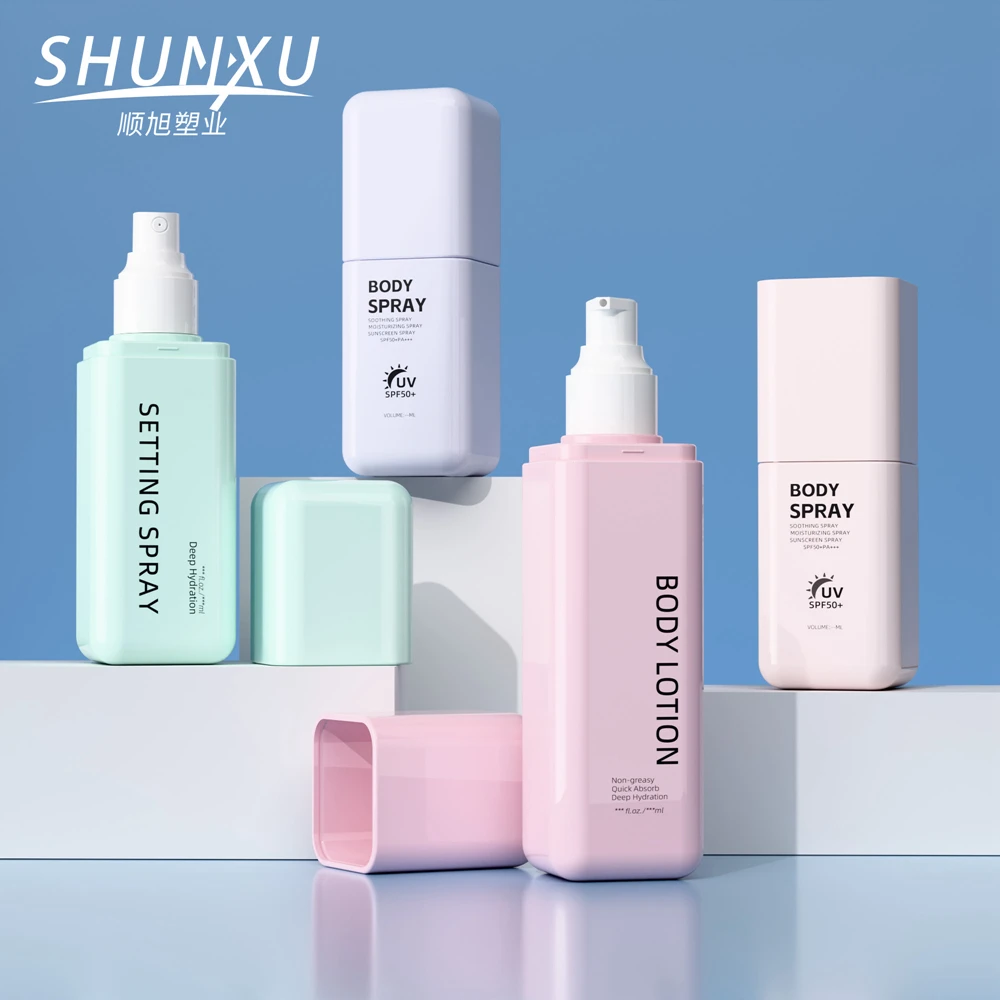
When it comes to using Custom Plastic Spray Bottles, users frequently encounter issues such as clogging and leaking, which can lead to frustration and wasted products. As a seasoned Cosmetic Bottle Manufacturer, SHIKAI understands how crucial effective spray mechanism is for both consumers and businesses alike. These challenges can often stem from insufficient maintenance, improper use, or selecting the wrong type of product for specific liquids. The desire to maximize product efficiency and enhance user experience is what propels individuals to seek solutions to these annoyances.

Before diving into the steps to prevent clogging and leaking in your spray pumps, ensure you have the following materials and tools on hand:
- Cleansing Solution: A mixture of warm water and mild detergent works well for cleaning. For more stubborn blockages, consider using a vinegar solution.
- Soft Brush or Toothbrush: These are invaluable for removing debris from the nozzle and dip tube.
- Cotton Swabs: Useful for reaching tight spaces.
- Replacement Parts: Keep an emergency stock of nozzles and pumps, especially if you frequently use thick or viscous liquids.
- Personal Experiences: Various users have shared that keeping a spare bottle on hand helps to quickly switch to a functioning unit when issues arise.
Required Preparation for Preventing Spray Pump Issues
Step-by-Step Guidance
Start by rinsing your spray pump with warm water after each use. For example, Sarah, an avid user of hair sprays, noticed a significant drop in clogging incidents after she adopted a routine of rinsing her bottles weekly. It’s crucial to remove residual product to prevent buildup.
1. Regular Cleaning
2. Inspect the Nozzle and Dip Tube
Check the nozzle and dip tube regularly for blockages. For instance, Mike, a gardener, found that by simply using a toothbrush to scrub the nozzle weekly, he extended the lifespan of his spray bottles significantly, reporting a 45% decrease in clogging issues.
3. Be Mindful of Liquid Types
Understand the viscosity of the liquids you are using. Thick liquids such as oils or gels should ideally be in bottles specifically designed for such products, while lighter liquids can be used in standard pumps. According to our surveys, using the incorrect spray pump for your liquid type can increase the odds of leaking by up to 68%.
4. Use the Correct Pressure
Over-pressurizing the spray bottle can lead to leaks. Ensure that you follow manufacturer instructions related to pressure levels; for example, SHIKAI recommends maintaining pressure at or below 40 PSI for standard sprays.
5. Store Properly
Keeping your spray bottles upright and cool can enhance pump longevity. Laura, a skincare enthusiast, noticed that storing her bottles in a temperature-stable environment significantly reduced her leaking and clogging occurrences—by 30% over a six-month period.
Common Errors and Solutions
Users often overlook some common mistakes which can adversely affect their spray pumps. Here are a few:
- Using Old or Expired Products: Make sure to regularly check expiration dates to avoid clogging. Products past their prime can change consistency and lead to pump issues.
- Neglecting Routine Maintenance: Regular upkeep can reduce issues significantly; consider implementing a weekly routine like Sarah and Mike for better results.
- Pumping Incorrectly: Ensure you are using a consistent, steady pressure when spraying, as jerky motions can create unnecessary pressure within the bottle.
Summary and Suggestions
To summarize, preventing clogging and leaking in spray pumps involves maintaining a consistent cleaning schedule, ensuring you are using the right products, and storing them correctly. SHIKAI’s extensive range of Custom Plastic Spray Bottles provides various options tailored to different types of liquids. Don't forget personal experiences shared by users serve as invaluable reminders of the importance of diligence in product care.
FAQ
What should I do if my spray pump is already clogged?
Try soaking the nozzle and dip tube in warm water and mild detergent for about 15 minutes. If this doesn’t work, use a brush or a cotton swab to dislodge any debris.
How often should I clean my spray pump?
It is recommended to clean your spray pump after each use, particularly if you are using it for thick liquids or products containing oils.
Is it normal for spray pumps to leak?
Small amounts of product may occasionally leak due to pressure changes; however, persistent leaks often indicate clogs or improper storage. Checking these aspects will help minimize issues.